
Of course, our favourite stations are the ones we built. At the top of the list: Vienna Central Station. But now let's travel around the world. All aboard, please, the train is leaving.
Did you know that Friedensreich Hundertwasser designed a railway station in Germany? Or that the Estación Central in Chile was designed by Gustave Eiffel? Whether modern, futuristic or historic, railway stations are more than just infrastructure. They are places where people meet. Here are our top 5.
5. Railway Station UelzenGermany
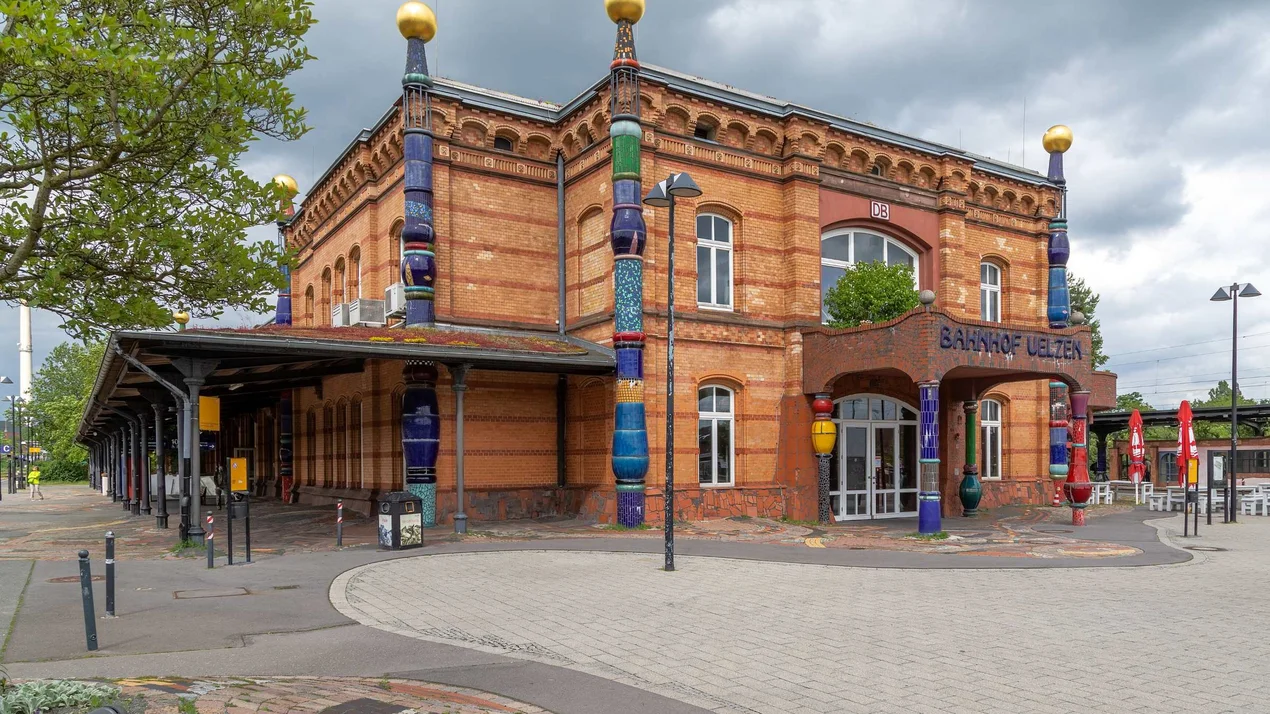
Small but mighty: the railway station in the small town of Uelzen in Lower Saxony was remodelled according to the plans of Friedensreich Hundertwasser as part of an Expo 2000 project. Since its opening in autumn 2000, the small town railway station has developed into a real tourist attraction. The building, which bears the unmistakable signature of the famous Austrian artist, attracts more than 450,000 visitors a year - both inside and out.
4. Estación CentralSantiago, Chile
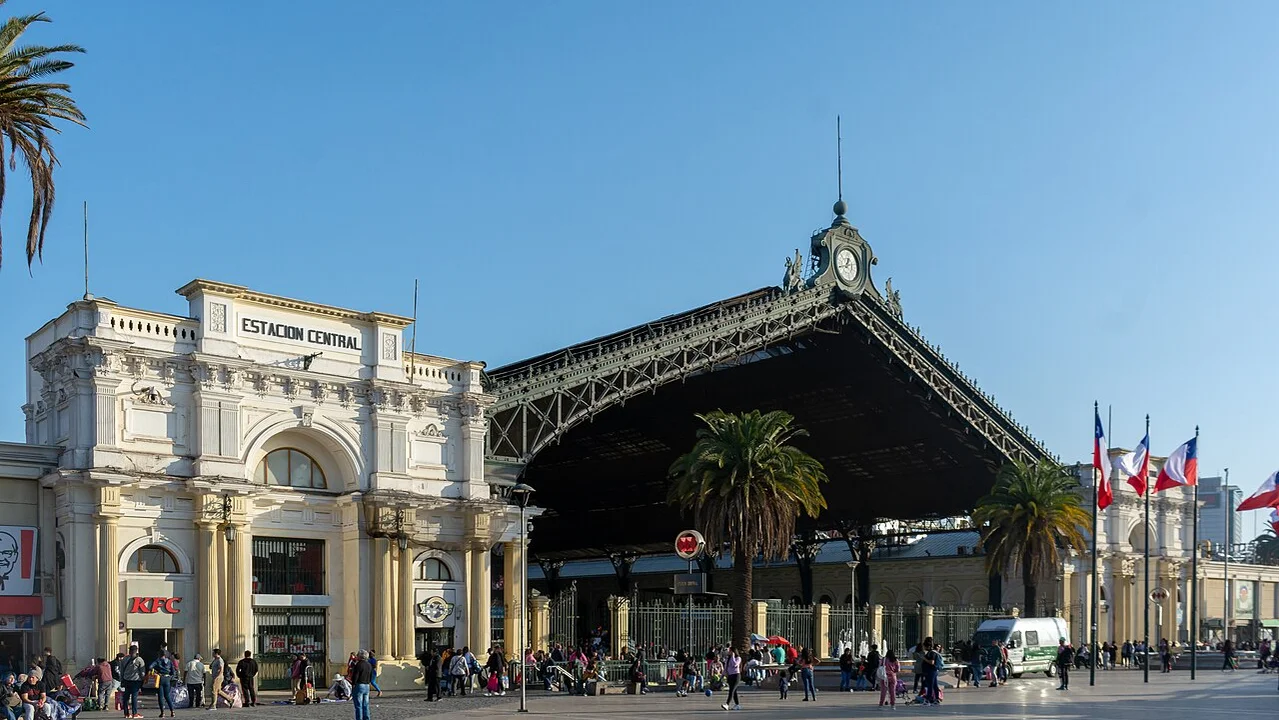
This railway station can also boast a famous name. After all, the building from the Wilhelminian era was built according to the plans of Gustave Eiffel - the engineer who made headlines during his lifetime with his Eiffel Tower in Paris. In 1983, the station was declared a national monument by the Chilean government and thus protected as a historical monument. Santiago's main railway station, also known as Alameda Station, is not only the city's most important hub, but also a historical legacy and cultural witness.
3. Railway Station Liège-GuilleminsBelgium
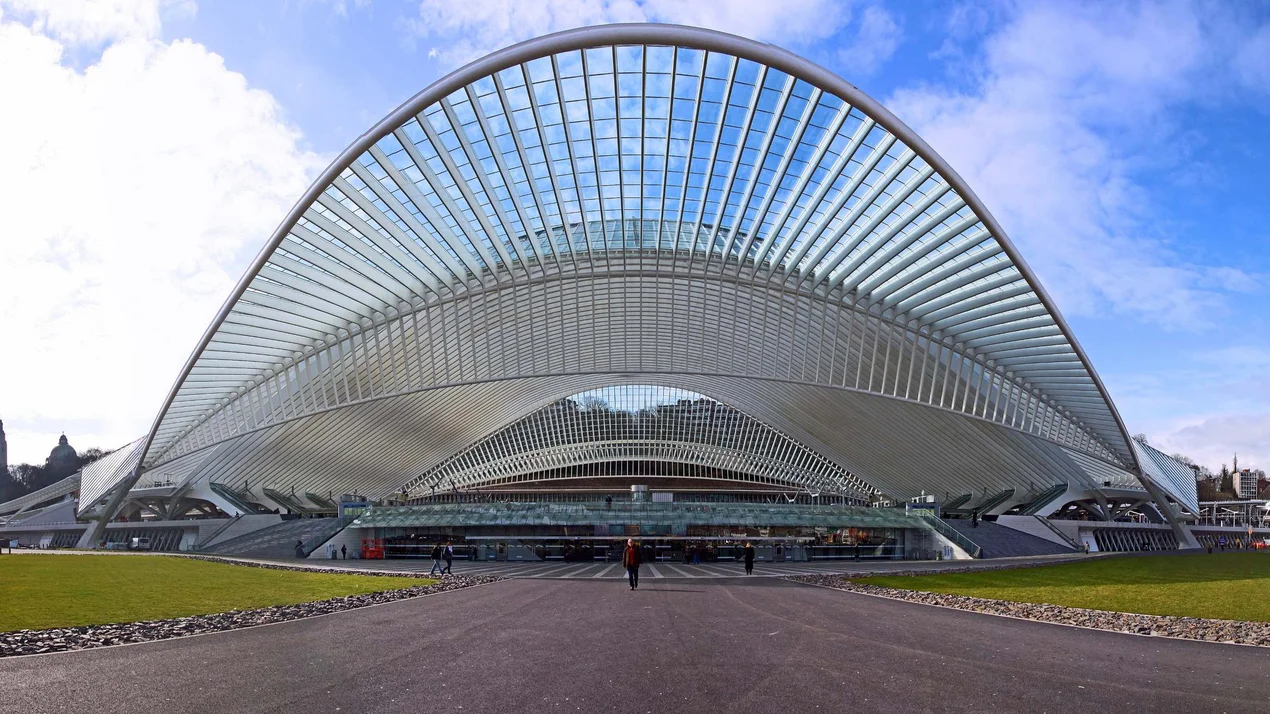
This railway station in Liège, Belgium, has been an important transport hub since 1842. Under the direction of architect Santiago Calatrava, the station was rebuilt in 1996, as the old station from 1958 could not meet the demands of modern high-speed trains. With investments totalling 312 million euros, the Spanish-Swiss architect created a monumental building made of steel, glass and white concrete with an imposing canopy 200 metres long and 35 metres high. The new railway station was opened in 2009. In autumn 2022, the installation "Comme tombées du ciel, les couleurs in situ et en mouvement" by artist Daniel Buren once again caused a sensation. With colourful roof panels, Buren brought a varied play of colours into the station - and art into the everyday lives of commuters.
2. Kanazawa StationJapan
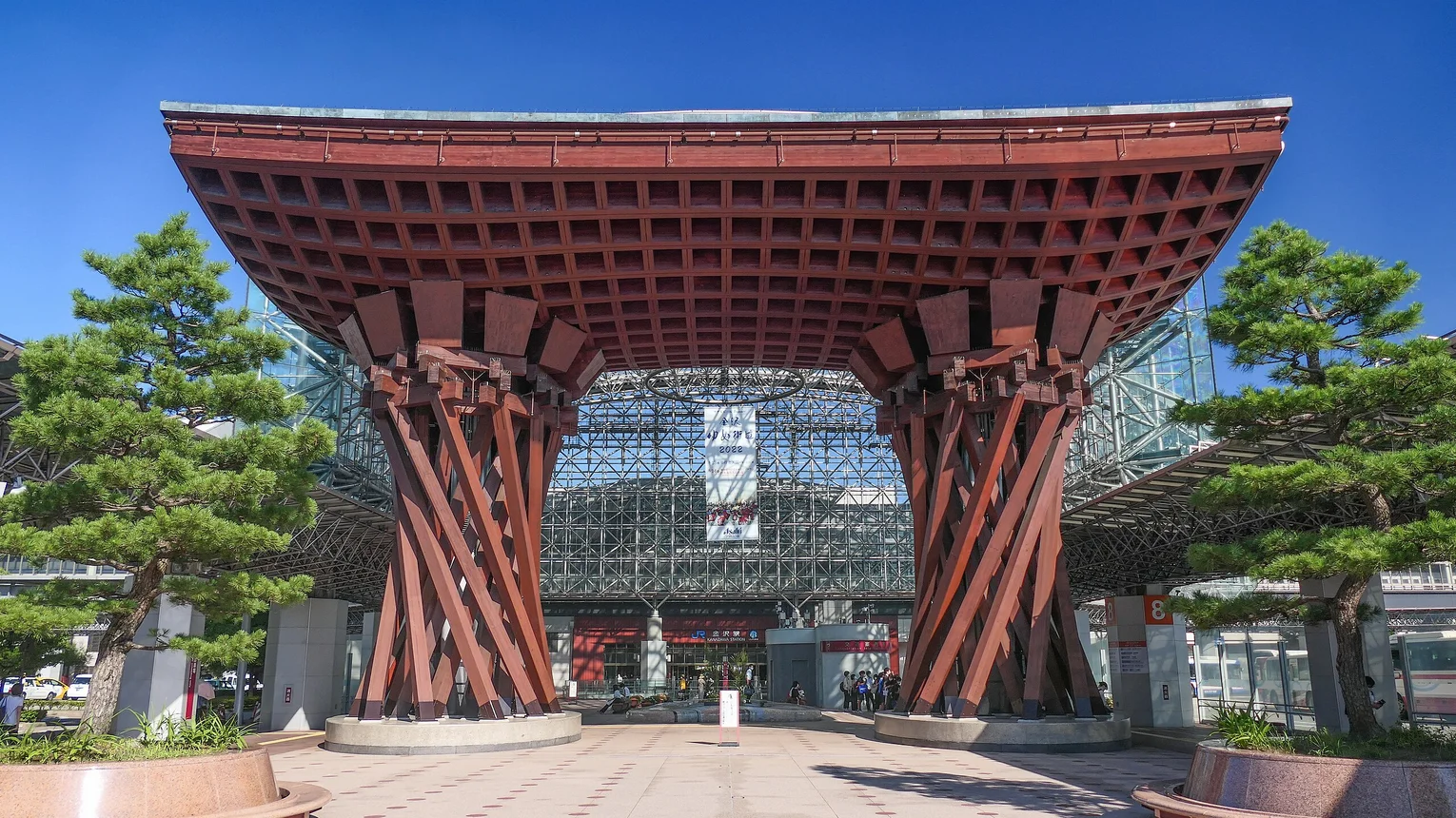
Following its modernisation by architect Ryuzo Shirae, the railway station in the Japanese city of Kanazawa is considered one of the most beautiful railway stations in the country. Since 2005, visitors can expect futuristic architecture combined with traditional elements such as the large gate, the so-called Tsuzumi-mon gate made of Japanese Douglas fir. Detailed gold elements and historical decorations complement an otherwise modern, uncluttered and spacious design made of steel and glass. The station thus not only creates a link to cities such as Tokyo and Kyoto, but also a connection between tradition and modernity.
1. WTC Hub The OculusNew York City, USA
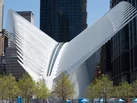
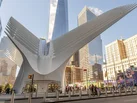


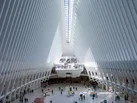

On 3 March 2016, the new World Trade Center Transportation Hub was inaugurated on the Ground Zero site in New York City. The underground station is a station of the Port Authority Trans-Hudson, or PATH for short - a connection between cities in the state of New Jersey and the business centres of Lower Manhattan and Midtown Manhattan. Several New York City Subway lines also stop at the transport hub. The above-ground Oculus Transit Hall bears the signature of architect Santiago Calatrava: as with his work in Liège, he has also realised a huge roof made of steel ribs here, which creates plenty of light and space. Symbolism plays a particularly important role here: on the anniversary of the 9/11 attacks, the skylight of the Oculus remains open for 102 minutes - just as long as the time between the attack on the first tower and the collapse of the second tower in 2001. The curved structures on the sides of the building project outwards like wings. The façade of the Oculus is thus reminiscent of a soaring dove of peace or a phoenix rising from the ashes.


