SmartStreet: When AI gets involved with asphalt and concrete

TALI
SATION
When asphalt and concrete are mixed with recycled material, it is difficult to predict the outcome. Until now. PORR is working with the University of Innsbruck to use artificial intelligence to predict the properties of the finished product. The SmartStreet research project will enable us to enhance recycled products and use them optimally.
Every road tells a story. Of commuters on their way to work, of children riding their bikes, and of lorries transporting goods across Europe every day. But beneath the surface, a new story is beginning – one that no longer consists solely of rock, sand and binding agents, but increasingly of data. The roads of the future understand what they are made of.
Artificial intelligence: the new building block of planning
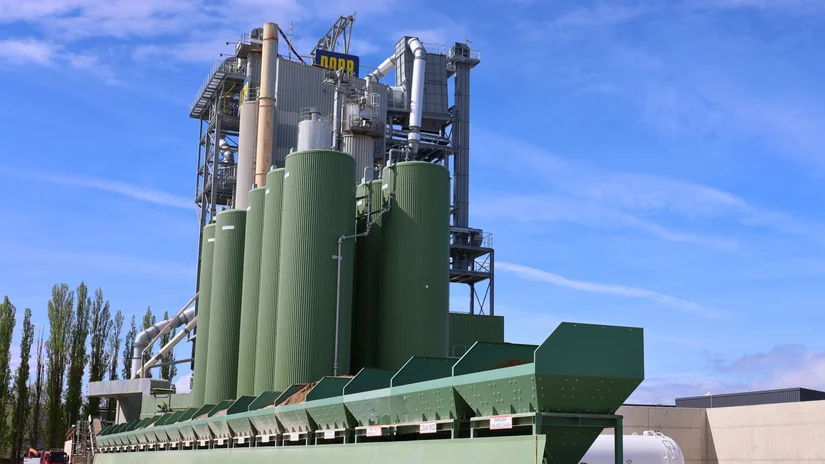
A high proportion of recycled material in asphalt or concrete is considered an important key to reducing emissions and protecting natural resources. However, replacing natural aggregate with recycled material changes the behaviour of the building material. Strength, elasticity and durability can shift – with a direct impact on the service life of roads or structures. The crucial point here is not whether recycled material can be used, but how much of it. Until now, only extensive testing could determine whether a particular mixture actually delivers what it promises. In laboratories, samples with different proportions of recycled material were produced, tested, discarded and reassembled. This is a time-consuming process, which we are now shortening. It is precisely where the SmartStreet research project comes in. Together with the Materials Technology Department at the University of Innsbruck, PORR is training a neural network to calculate in advance what mechanical properties asphalt or concrete will have when different quantities and types of recycled materials are added. Instead of relying solely on physical tests, artificial intelligence learns from existing test data, calculation results and material parameters. This enables the system to recognise correlations between formulation and performance and predict how a mixture will behave under real conditions. The project will run from October 2025 to October 2028 and is funded by the Austrian Research Promotion Agency.
SmartStreet: An innovation for more sustainability
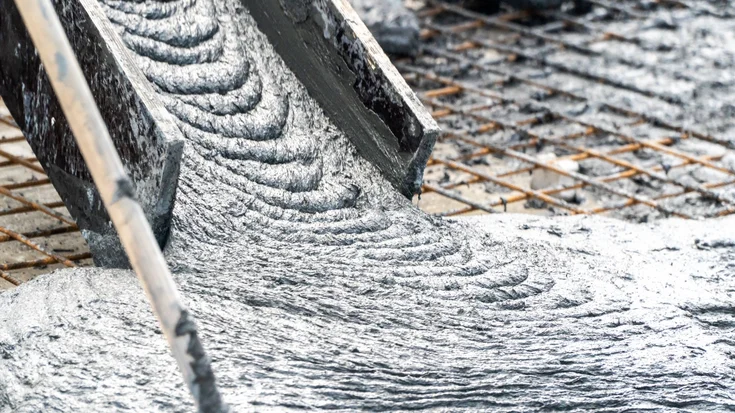
In civil engineering, hardly any two projects are alike. Different loads, climatic conditions and usage requirements each call for specially adapted concrete or asphalt mixes. With SmartStreet, it will be possible in future to determine during the planning phase how high the recycling content can be without compromising durability, and which mix will enable optimal use. This will increasingly transform what has been an experimental process into a data-based decision-making basis for future construction projects. After all, the production of cement – the central binding agent in concrete – accounts for around 8% of global greenhouse gas emissions. At the same time, around 12.3 million m3 of concrete was produced in Austria alone in 2024. Every optimisation in the mixing process therefore means fewer primary raw materials, lower emissions and a longer service life for infrastructure. SmartStreet is thus part of PORR's group-wide innovation and sustainability strategy with a focus on circular economy and decarbonisation in construction. And a smart innovation for smart roads.
FAQ about the SmartStreet research project
What is the aim of the SmartStreet project?
The project aims to use artificial intelligence to predict, prior to production, what mechanical properties asphalt or concrete mixtures will have when recycled materials are added. This allows the use of recycled materials to be optimised without compromising durability.
Why is the use of recycled material in asphalt and concrete challenging?
Recycled aggregates change the material properties of asphalt and concrete. These changes can affect strength, elasticity and service life, which is why extensive physical testing has been necessary to determine suitable mixing ratios.
What sustainable contribution does SmartStreet make?
By optimising mixing processes, the use of primary raw materials can be reduced and the proportion of recycled materials increased. Since cement production in particular accounts for a significant proportion of global greenhouse gas emissions, more efficient use of recycled materials contributes to decarbonisation in the construction industry.
Further information is available here: When AI gets involved in asphalt and concrete - PORR AG


